Dead Animal Removal for Attics, Walls, Crawlspaces & Yards
Strong, nasty odor in part of the house? Flies collecting around a vent or light fixture? Pets acting obsessed with one spot on the wall or floor? That’s usually not “the neighbor’s trash”—it’s often a dead animal inside the structure or somewhere close to it.
This page explains how dead animal problems really work, how long smells last, what you can safely do yourself, and when it’s time for professional dead animal location, removal and sanitation so you can use your home normally again.
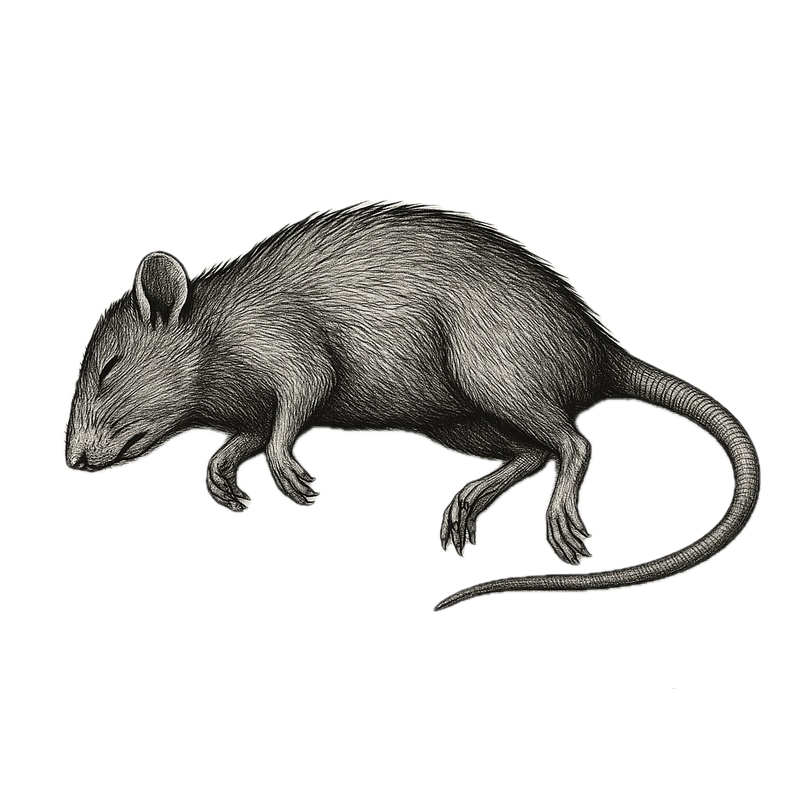
Signs You Have a Dead Animal in or Around the House
Dead animal jobs usually start with one thing: smell. But there are other clues that help narrow it down.
- Strong, rotting odor in one room or area of the house that comes and goes with temperature.
- Flies or maggots around light fixtures, vents, windows or a specific section of wall or ceiling.
- Stains or wet spots on drywall or ceilings that weren’t there before.
- Pets fixated on one area of wall, floor vent, cabinet or crawlspace entry.
- Recent pest control or DIY poison use for rats or mice before the odor started.
Smell intensity often gets worse as the day warms up, then backs off at night—classic dead animal pattern.
How Long Does the Smell Last?
It depends on:
- The size of the animal (mouse vs opossum or raccoon).
- Where it died (open attic vs sealed wall cavity).
- Temperature and ventilation in that area.
Smaller animals can decompose in days to weeks. Larger animals can stink up a home for much longer. Removing the source is what actually ends the problem, not just spraying air freshener.
Where Dead Animals Usually End Up
Dead animal calls in Southern California usually turn out to be one of these:
- Attics: rats, mice, raccoons or opossums that were trapped, poisoned or got stuck.
- Walls and ceilings: rodents that died between studs or joists after poison or failed traps.
- Crawlspaces: wildlife, cats or other animals that went under the home and never left.
- Ducts and vents: smaller animals that entered through loose screens or vent caps.
- Yards and under decks: wildlife or neighborhood animals that crawled under a structure to die.
The closer the carcass is to the living space, the more intense the smell and fly problem usually is.
Odor, Flies & Health Risks
Besides being disgusting, dead animals can create secondary issues:
- Blowflies and maggots spreading from the carcass into living areas.
- Odor particles spreading through HVAC or open building cavities.
- Staining and contamination on insulation, framing or drywall.
- Attraction for other pests like roaches or scavengers.
The goal is to locate, remove and bag the carcass, then address the contaminated materials, not just “wait it out.”
What About Just Covering the Smell?
Candles, sprays and ozone machines don’t change the fact that there’s a decomposing animal in the structure. At best they temporarily mask the odor; at worst they make the air harder to breathe without solving anything.
Real fix = find it, remove it, and clean the area up as much as the access allows.
DIY Dead Animal Removal vs Reality
Sometimes homeowners can safely handle a small carcass in an open crawlspace or yard. But once the animal is in a wall, ceiling or tight space, DIY turns into cutting random holes and still guessing.
Common DIY Dead Animal Mistakes
- Punching multiple holes in walls trying to “follow the smell.”
- Reaching into dark cavities without knowing what else is in there.
- Bagging the carcass but not removing soaked insulation or debris around it.
- Ignoring how the animal got inside in the first place.
- Trying to solve a poison-created problem with more poison.
For most indoor dead animal jobs, professional location and removal is cheaper and safer than tearing into the structure randomly.
Our Dead Animal Removal Process
Every dead animal job is different, but the basic approach stays the same:
- 1. Interview & inspection: We ask where the odor is strongest, when it started and what rodent or wildlife activity has been going on.
- 2. Track the source: We inspect attic, crawlspace, walls, vents and exterior to narrow down the likely carcass location.
- 3. Access and removal: We open the least invasive access point we can, remove and bag the carcass, and remove surrounding contamination where possible.
- 4. Basic sanitation: We apply localized disinfectant/deodorizer to the affected area as access allows.
- 5. Cause review: We explain what likely caused the death—poison, trapping, structural access, etc.—and what to change so it doesn’t repeat.
What You Get with Professional Dead Animal Removal
- Experienced locating of carcasses without tearing the whole house apart.
- Proper bagging and removal instead of “drag it outside and forget it.”
- Honest feedback on rodent/wildlife issues and entry points.
The goal is simple: source gone, odor fading, and a plan so it doesn’t happen again the same way.
Schedule Dead Animal Removal: (310) 547-7681Dead Animal Removal Costs
Pricing depends heavily on access and location. A carcass in an open crawlspace is very different from one buried inside a wall behind cabinets.
- Inspection: Based on how complex the home is and where the odor is coming from.
- Location & access: Time and effort to safely reach the carcass.
- Removal & cleanup: Number/size of animals and how much surrounding material is contaminated.
- Repairs: Patching access holes or related exclusion work if wildlife entry points are involved.
What You’ll Know After the Inspection
- Likely type and location of the dead animal.
- What it will take to reach and remove it.
- Any additional rodent or wildlife issues that need addressing.
- Realistic expectations for how quickly odor will fade after removal.
No surprises—just a straight explanation of the problem and the fix.
Dead Animal Removal FAQ
Can I just wait for the smell to go away?
Eventually decomposition slows down and odor drops, but “eventually” can mean weeks or longer, especially with larger animals. In the meantime you’re living with smell, flies and contamination that didn’t need to be there.
Do you always have to cut into walls or ceilings?
Not always. Many carcasses can be reached from attics, crawlspaces or access panels. When a cut is needed, we try to keep it as small and strategic as possible and explain your options for patching it afterward.
Is this covered by homeowners insurance?
Sometimes parts of the work may be, depending on your policy and how the carrier defines the damage. We’re not your insurance company, but we can document what we find so you have something to show them.
What caused the animal to die in my house?
Most of the time it’s either poison, a trap that wasn’t checked, or an animal that got stuck in a space it couldn’t escape from. That’s why we talk about how to prevent it from happening again, not just taking the carcass out.
Can you also help with the rodent or wildlife problem that caused this?
Yes. Dead animal removal fixes the immediate problem, but if there are gaps, vents or construction issues letting animals in, we can inspect and give you a plan for sealing, trapping and exclusion work as a separate project.
Need a Dead Animal Removed from Your Home?
If you’re living with a rotten smell, flies and mystery stains, you don’t have to wait it out and hope it goes away. The faster the source is removed, the faster your house goes back to normal.
Call Now: (310) 547-7681
Professional dead animal removal, odor relief and real answers about what caused it.