Opossum Removal for Crawlspaces, Attics & Yards
Hearing slow scratching, dragging sounds or soft rustling at night? Seeing a pale-faced animal wandering the fence line or freezing in your yard lights? That’s usually an opossum. They love crawlspaces, low voids and easy shelter—and sometimes end up in attics, garages or sheds.
This page explains how opossum problems start, what kind of mess they leave, the difference between “just passing through” and nesting, and how proper, humane opossum removal and prevention are done so you don’t keep dealing with the same issue.
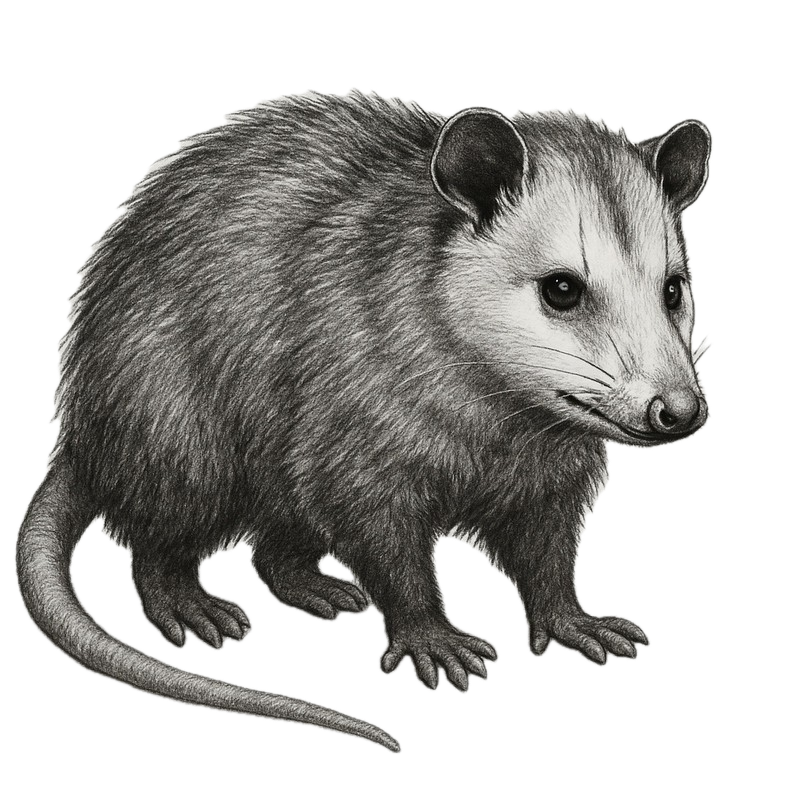
Signs You Have an Opossum Problem
Opossums move slower and lighter than raccoons, but heavier than rats. They’re opportunists: if there’s food, water and shelter nearby, they’ll take it.
- Slow, shuffling noises under the home, deck or in low voids.
- Soft scratching and rustling at night, not as heavy as raccoons.
- Thumping or dragging sounds as they move around or carry nesting material.
- Droppings around crawlspace openings, fences, sheds or under decks.
- Opossums seen at night on fences, near trash cans or in the yard.
- Pets barking or fixating on one side of the house or under a specific area.
Sometimes opossums are just passing through; other times they’ve decided your crawlspace or attic is home base. The inspection tells us which story you’re in.
Is It an Opossum or Something Else?
We sort it out based on:
- Noise pattern and time of night.
- Dropping size, shape and location.
- Tracks, smudge marks and disturbed soil.
- Entry points and structural damage.
Call (310) 547-7681 and tell us what you’re hearing and seeing. We’ll help you figure out if it’s likely opossums, rats, skunks or raccoons.
Opossum Damage & Health Concerns
Opossums aren’t as destructive as raccoons, but they can still create serious issues when they move into crawlspaces, attics or other sheltered areas around your home.
- Droppings and urine under homes, in crawlspaces or in attics.
- Soiled insulation when they decide to nest in sheltered spots.
- Disturbed soil and debris around foundations, fences and under structures.
- Odor issues from droppings or, in worst cases, dead animals in hidden spaces.
- Fleas and parasites that can transfer from opossum hangouts to pets.
Even if they seem “calm” compared to other wildlife, opossums still don’t belong living in or under your home. The longer they stay, the more mess they make.
Where Opossums Are Hiding Around Your Home
Opossums look for ready-made shelter close to food and water: crawlspaces, decks, sheds, wood piles, garages and sometimes low attics with easy access.
- Crawlspaces: through missing vents, screens or open access doors.
- Under decks and porches: open lattice, gaps or dug-out edges.
- Under sheds and small outbuildings: especially on dirt or partial foundations.
- Garages and storage areas: open doors or gaps around the bottom edge.
- Low attic spaces: occasionally through roof gaps or construction openings.
If the structure has a low, protected void and easy food nearby (pet food, fallen fruit, trash), opossums will treat it like an open invitation.
Why Just “Chasing Them Off” Doesn’t Work
You can scare an opossum off once or twice. But if the shelter is still available and food is nearby, they—or another opossum—will often be back.
- Yelling or banging only works for the moment.
- Leaving doors or access points open can invite more wildlife.
- Ignoring droppings and damage lets problems slowly grow.
Real opossum control means removing the animals and closing off the shelter so it’s no longer an option.
DIY Opossum Removal vs Reality
Opossums look slow and harmless, which tempts a lot of people to try handling them on their own. But they can bite, carry parasites and create bigger problems when they’re pushed into tight spaces or cornered.
Common DIY Opossum Mistakes
- Trying to grab, corner or “herd” an opossum out by hand.
- Setting random traps without a plan for what to do next.
- Closing up access points while opossums are still under the home or structure.
- Leaving pet food, trash or easy food sources available after removal.
- Not sealing the structure, leading to new wildlife taking over the same spot.
DIY might seem simple—until there’s a bite, a dead animal in the crawlspace or another opossum shows up a month later. That’s what we’re trying to avoid.
Our Opossum Removal Process
We handle opossum jobs with a mix of wildlife experience and structural common sense. The goal is not only to get the animal out, but to shut down the den site so it can’t keep being reused.
- 1. Inspection: We check crawlspaces, decks, sheds, attics and the yard for activity, damage and den sites.
- 2. Confirmation: We confirm you’re dealing with opossums and note any signs of other species.
- 3. Removal setup: Species-appropriate trapping or one-way setups where appropriate and legal.
- 4. Exclusion & repairs: We close off access points with proper materials so the spot can’t be reused.
- 5. Cleanup options: When needed, we address droppings and contamination in key areas.
What You Get with Professional Opossum Removal
- A clear plan from inspection to final seal-up.
- Humane, legal handling of opossums.
- Real exclusion so the same den site is no longer available.
- Advice on pet food, trash and yard habits that attract wildlife.
It’s not just about “get it out of here.” It’s about making sure your home stops being an easy target for the next opossum or any other animal.
Talk Through Your Opossum Problem: (310) 547-7681Opossum Removal Costs
Opossum removal pricing depends on how many animals are present, how they’re accessing the structure, and how much sealing or cleanup is required. A single opossum under a small deck is different from multiple animals regularly using a big crawlspace.
- Inspection: Based on location, access and overall scope of the problem.
- Removal: Depends on number of visits, complexity and layout.
- Exclusion & repairs: Priced by how many vents, gaps and structures need to be secured.
- Cleanup & sanitation: Based on how long opossums have been active and how much contamination is present.
Clarity Before You Commit
During the inspection, you’ll get a straight explanation of:
- What’s causing the issue right now.
- What needs to be done immediately vs later.
- What’s optional but smart for long-term prevention.
No scare tactics—just reality so you can make a smart decision.
Opossum Removal FAQ
Are opossums dangerous?
Opossums are usually more defensive than aggressive, but they can bite if cornered or handled. They can also carry parasites like fleas and ticks. They’re not animals you want living inside or under your home.
Will opossums just move on if I ignore them?
Sometimes an opossum will move dens, but if your property is an easy food and shelter source, there’s no guarantee they’ll leave—or that another one won’t replace them. Ignoring the situation usually just gives them more time to get comfortable.
Can I safely trap and relocate opossums myself?
Live trapping seems simple, but handling and relocating wildlife isn’t always legal or safe without knowing local rules and best practices. There’s also the question of where and how to release them without creating new problems.
Why is it important to seal up access points?
If you remove one opossum but leave the structure open, you’ve basically left a vacant rental for the next animal. Sealing and exclusion are what actually stop the cycle of wildlife coming back.
Ready to Get Opossums Out and Take Your Home Back?
If you’re hearing slow, steady activity under the house or seeing opossums in the yard at night, now is the time to deal with it—before they get too comfortable.
Call Now: (310) 547-7681
Humane, legal opossum removal and long-term prevention.