Ground Squirrel Removal & Burrow Control
Open burrow holes all over the yard, dirt piles on slopes, and squirrels popping in and out like a whack-a-mole game? That’s ground squirrel territory. They chew plants, undermine soil, and turn slopes and retaining areas into erosion problems.
This page breaks down how ground squirrel infestations work, why they’re different from gophers and tree squirrels, and how professional ground squirrel removal and burrow control can protect your yard, slopes and common areas.
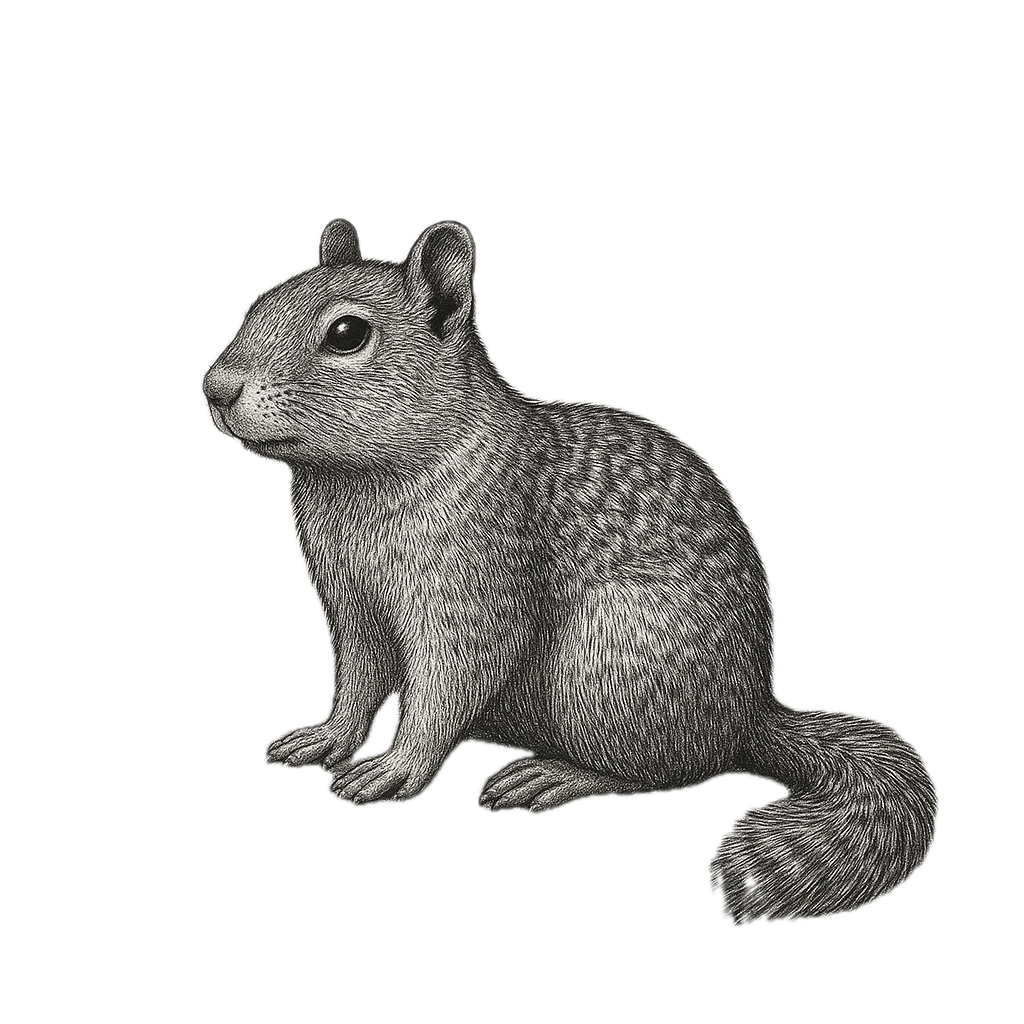
Signs You Have Ground Squirrels
Ground squirrels are daytime animals that live in burrows, not trees or attics. The yard tells on them.
- Open burrow holes in soil, often 3–4 inches wide with bare dirt around the entrance.
- Piles of loose soil near holes on slopes, around fences or near concrete edges.
- Squirrels seen standing upright near burrows, watching and darting underground.
- Chewed plants and low shrubs, especially near burrow systems.
- Clusters of burrows along retaining walls, hillsides, embankments or open fields.
If you see multiple open holes and squirrels diving into them, you’re not dealing with pocket gophers anymore—it’s ground squirrel country.
How Many Ground Squirrels Are There?
Each burrow entrance doesn’t always equal one animal; one system can have multiple openings. The number of active holes and the size of the colony area help estimate how heavy the infestation is and how aggressive control needs to be.
Damage Ground Squirrels Cause
Ground squirrels don’t just annoy you; they beat up your property and can affect structures.
- Undermining slopes and hillsides, increasing erosion and washout risk.
- Burrows near foundations and slabs that can weaken soil support over time.
- Damage to retaining walls and embankments from tunneling behind or underneath.
- Destroyed landscaping from chewing plants, shrubs and garden areas.
- Trip hazards from open burrows in lawns and walkways.
A few holes can turn into a network of tunnels if nothing’s done. On slopes and common areas, that’s not just ugly—it’s a maintenance and liability issue.
Ground Squirrels vs Gophers vs Tree Squirrels
Getting the species wrong = wasting time and money on the wrong tools.
- Ground squirrels: open burrow holes, animals visible above ground, clusters of holes in open areas.
- Gophers: fan-shaped mounds with a plugged hole, rarely seen above ground.
- Tree squirrels: nests in trees and structures, problems in attics and rooflines, not burrow systems.
On inspection we look at the burrows, soil patterns and animal behavior so the control plan fits the right rodent.
Why ID Matters for Control
Ground squirrels, gophers and rats all need different combinations of trapping, exclusion, habitat change and (where legal) other control methods. Mixing them up just feeds the problem instead of fixing it.
DIY Ground Squirrel Control vs Reality
Most DIY ground squirrel attempts end up being free training for the squirrels. They watch, learn, and keep digging.
Common DIY Problems
- Blocking burrows without actually reducing the squirrel population.
- Using gopher methods or tools meant for the wrong animal.
- Trying random repellents that wash away or don’t reach burrow depths.
- Ignoring colony size and only targeting one or two holes.
- Not understanding legal restrictions on certain control products.
Ground squirrel jobs work best with a structured program: correct ID, targeted control, and attention to burrows and habitat, not just one gadget.
Our Ground Squirrel Removal Process
We focus on legal, targeted control that fits Southern California properties, slopes and common areas.
- 1. Inspection: We map burrow systems, colony zones and damage to lawns, slopes or structures.
- 2. Activity assessment: Identify active burrows and how squirrels are using the site.
- 3. Control program: Apply appropriate, legal ground squirrel control methods based on layout and risk.
- 4. Monitoring: Track burrow activity and adjust until the colony is under control.
- 5. Prevention recommendations: Suggest grading, vegetation and maintenance changes to reduce future pressure.
What You Get with Professional Ground Squirrel Control
- A real picture of how big the problem is.
- A control plan that fits yards, slopes or shared areas.
- Guidance on burrow risks near foundations and structures.
The goal: fewer burrows, fewer squirrels, and less risk to your landscaping, slopes and hardscape.
Set Up Ground Squirrel Service: (310) 547-7681Slope, Yard & HOA Prevention Tips
After a heavy colony is brought under control, keeping the property less attractive and catching new activity early is key.
- Keep vegetation managed on slopes and fence lines where burrows appear.
- Reduce food sources like spilled bird seed and open animal feed.
- Monitor high-risk zones near retaining walls, slopes and open fields.
- Coordinate HOA or neighbor efforts so one open property doesn’t undo everyone else’s work.
Ground squirrels love steady food and untouched soil. Taking those away makes your property a harder place to set up long-term.
HOA & Large Property Support
For HOAs, parks and large lots, we can:
- Survey slopes, edges and common areas.
- Identify colony centers and risk spots.
- Build a control and monitoring program that fits your budget and risk level.
Wide-open ground squirrel habitat needs a site-wide plan, not just one yard at a time.
Ground Squirrel Removal FAQ
Will ground squirrels come back after you remove them?
New animals can move in from surrounding areas over time, especially near fields, washes and open space. The goal is to reduce current colonies and then monitor so new burrows are handled early, not after massive damage.
Are ground squirrel burrows dangerous?
Burrows can weaken soil, especially on slopes, around retaining walls, near concrete edges and in areas with heavy foot traffic. They’re both a structural risk and a trip hazard if ignored.
Can I just fill the holes and be done?
Filling burrows without addressing the animals is usually temporary. Squirrels will reopen or dig new holes nearby. Burrow treatment has to be tied to actual population control for results to last.
Are ground squirrels the same as gophers?
No. Ground squirrels live in open burrows and are visible above ground during the day. Gophers stay mostly underground and create fan-shaped mounds. Control strategies, tools and risk areas are different for each.
Can you help HOAs or commercial sites with ground squirrels?
Yes. Multi-home communities and commercial properties often have the heaviest ground squirrel pressure. We can inspect, map activity and create a control and monitoring plan sized for slopes, greenbelts and shared areas.
Ground Squirrels Turning Your Property into a Burrow Field?
If you’re seeing open holes, soil piles and daytime squirrel traffic, it’s time for a serious ground squirrel plan, not just kicking dirt in a few burrows.
Call Now: (310) 547-7681
Professional ground squirrel removal and burrow control for Southern California homes and HOAs.