Squirrel Removal from Attics, Roofs & Walls
Fast little footsteps in the attic, rolling and scratching sounds in the ceiling, and chew marks on the roofline all point to one thing: squirrels have moved in. They don’t pay rent, but they do chew wiring, rip insulation and create entry highways for other pests.
This page explains how squirrel problems start, why they’re different from rats, and how professional squirrel removal, damage inspection and exclusion can get your home sealed back up.
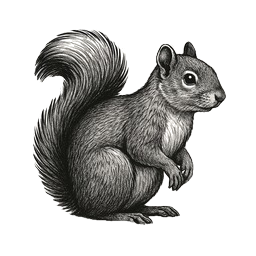
Signs You Have Squirrels in Your Attic or Roof
Squirrels are daytime troublemakers. Their patterns and sounds are different from rats and raccoons.
- Fast, light running noises across the ceiling during early morning and late afternoon.
- Chewing or gnawing sounds in soffits, eaves and roof edges.
- Visible holes on fascia boards, roof vents or where utilities enter.
- Nesting material (leaves, insulation, debris) piled in one attic corner.
- Fruit shells or nuts found in the attic or near entry holes.
Rats are mostly nighttime; squirrels are loud when the sun’s up. That timing tells us a lot before we even pop the attic hatch.
Tree Squirrels vs Ground Squirrels
In neighborhoods, tree squirrels are usually the ones hitting attics and rooflines. Ground squirrels cause burrow damage in yards and slopes instead. The inspection will confirm which one you’re dealing with and what needs to be fixed.
Damage Squirrels Cause Inside & Outside
Squirrels look cute from a distance. Up close in an attic, they’re just furry saws and leak-makers.
- Chewed electrical wiring that can create real fire risk.
- Damaged roof vents and fascia from chewing wider entry holes.
- Insulation shredded for nests, creating uneven coverage and contamination.
- Urine and droppings in attics and soffits.
- Exterior damage around eaves, gutters and trim from repeated climbing and chewing.
Leaving them alone usually means more holes, more noise, and more repairs later.
Squirrels vs Rats vs Raccoons
Correct ID matters, because each animal needs a different approach.
- Squirrels: loud, fast daytime running; bigger entry holes on roof edges; nesting material.
- Rats: lighter scratching and scurrying, mostly at night; smaller entry gaps and smear marks.
- Raccoons: heavy thumps, slow walking, louder sounds; larger openings and torn shingles or vents.
Our inspection looks at timing, droppings, damage and access points so we’re solving the right problem, not guessing.
Why ID Matters
Using the wrong traps or techniques wastes time and can create more damage. Squirrels also jump and climb differently than rats, so the way we seal and set one-way exits is specific to their habits.
DIY Squirrel Removal vs Reality
A lot of homeowners try to chase or “shoo” squirrels for months before realizing they’re just training the animals to ignore them.
Common DIY Problems
- Blocking the only visible hole while squirrels are still inside the attic.
- Using rat traps or rat baits for a squirrel problem.
- Relying only on noise makers, lights or ammonia-soaked rags.
- Ignoring chewed wiring and damage after the squirrels leave.
- Leaving roof gaps open where new squirrels can move in later.
Squirrel removal works best when it’s done as a complete job: remove animals, close real entry points, and deal with the damage they left behind.
Our Squirrel Removal Process
We approach squirrel jobs like any serious wildlife intrusion: get them out, seal up, and clean up what we can.
- 1. Inspection: Attic, roof and exterior checked for entry points, nests and damage.
- 2. Plan: Decide on trapping, one-way devices or a combo, based on layout and laws.
- 3. Removal: Humanely remove active squirrels from the structure.
- 4. Exclusion: Seal entry points and vulnerable spots with proper materials, not flimsy patches.
- 5. Cleanup review: Explain insulation damage, droppings and any repairs recommended.
What You Get with Professional Squirrel Removal
- Clear explanation of what squirrels are doing to your home.
- A real exit strategy so they’re out, not trapped inside.
- Permanent-style exclusion work instead of quick foam plugs.
The goal is simple: no more running overhead, no more new chew holes, and a roofline that’s ready for the next storm, not the next squirrel.
Schedule a Squirrel Inspection: (310) 547-7681How to Prevent Future Squirrel Problems
After squirrels are out and the main holes are sealed, a few habits help keep the next wave from testing your house.
- Trim tree branches away from the roofline where possible.
- Check roof edges and vents at least once a year for fresh chewing or gaps.
- Avoid feeding wildlife or leaving food where squirrels congregate near the house.
- Handle rat problems early so squirrels don’t follow existing openings.
Squirrels will always be around in SoCal. The trick is making your attic a closed door, not an open invitation.
Attic & Roof Checkups
Even after a full seal-up, roofs age and new gaps appear. Quick seasonal checks catch small issues before another animal turns them into a new entry.
Squirrel Removal FAQ
Will squirrels just chew a new hole after you seal the old one?
If openings are sealed with flimsy materials, yes. That’s why we focus on stronger repairs at key points and a full inspection instead of patching just the obvious hole. Most jobs calm down once the house is truly tight.
Can I trap and relocate squirrels myself?
Trapping and relocation are regulated, and moving wildlife without a plan can just shift the problem or create new ones. Professional work follows state rules and focuses on structural fixes, not just “catch and hope.”
Are squirrels dangerous?
Squirrels aren’t usually aggressive, but they can bite if cornered and will happily chew through wiring, wood and plastic. The real risk is property damage and fire hazard, not horror-movie attacks.
Do you clean or replace damaged insulation?
On inspection we’ll show you what the squirrels did and explain options. Light damage may only need spot cleaning; heavy contamination or tunnels can justify larger insulation work as a separate project.
How long does squirrel removal take?
Timing depends on how many animals are inside and how complex the roof and attic are. We’ll give you realistic expectations after inspecting and explaining the plan on-site.
Hearing Squirrels Running Overhead?
If the attic sounds like a daytime racetrack, it’s time to shut it down before chewing and damage get worse.
Call Now: (310) 547-7681
Professional squirrel removal, roofline inspection and exclusion for Southern California homes.