Wild Pig & Feral Hog Removal
Deep soil rooting, torn-up turf, destroyed irrigation, mud everywhere and fresh tracks along canyon edges or rural properties? That’s wild pigs and feral hogs. When they move through, they don’t quietly “pass by.” They remodel the ground.
This page explains how wild pigs and feral hogs hammer rural, canyon and edge properties, what realistic control looks like, and how professional hog removal and damage control can protect your land, slopes and infrastructure.
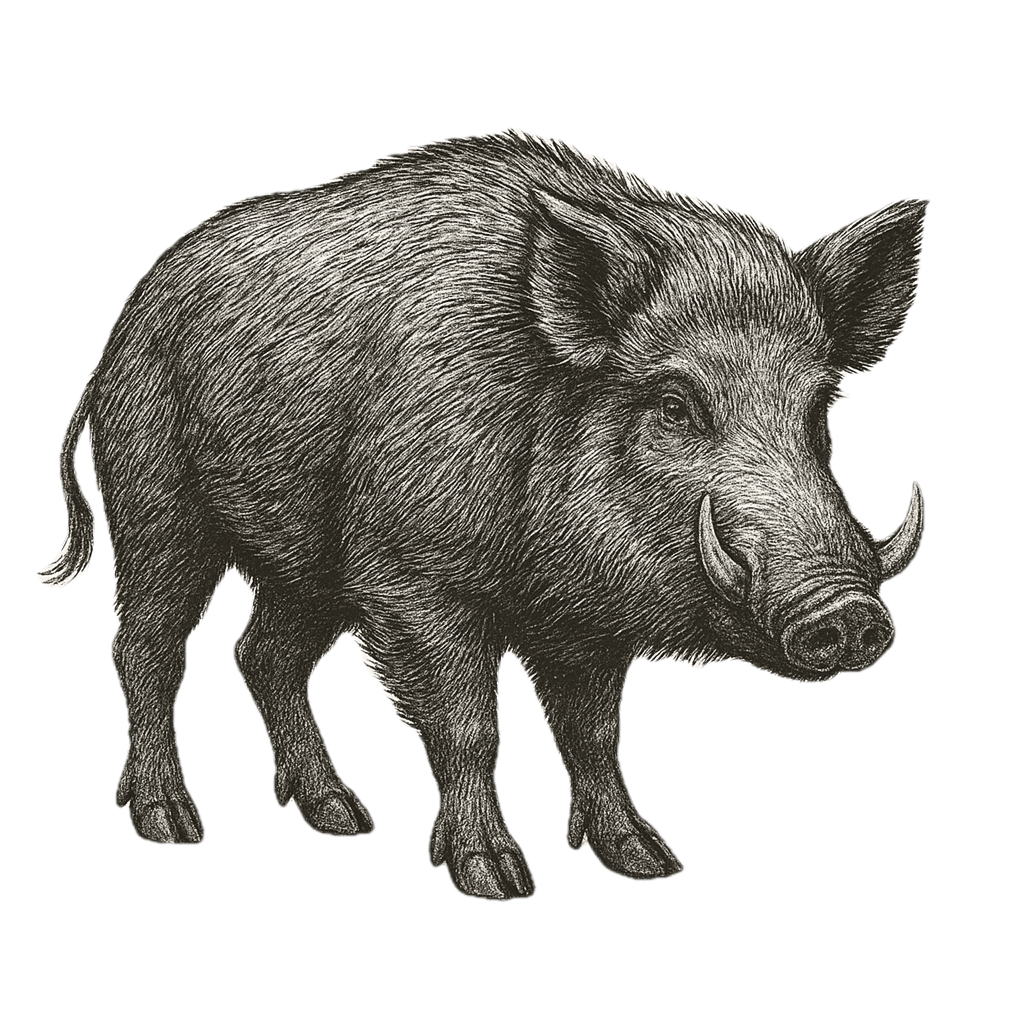
Signs You Have Wild Pig or Feral Hog Activity
Hogs don’t tiptoe through. They leave a signature.
- Rooted soil – patches or strips where turf and topsoil are torn up like a rototiller was used.
- Deep hoof tracks and trails in soft ground or near water and mud.
- Wallows – churned, muddy depressions where pigs roll and cool off.
- Damaged irrigation lines and drip systems ripped out or chewed.
- Droppings and strong, musky odor in high-traffic areas.
Fresh, repeated rooting and tracks mean the group has added your property to their regular feeding route, not just wandered through once.
Where Signs Usually Show Up First
Wild pigs and hogs love:
- Edges of fields, vineyards and orchards.
- Slopes, washes and drainages.
- Areas near water sources, tanks or ponds.
- Soft, irrigated turf and landscaping zones.
Damage Wild Pigs & Hogs Cause
Hogs are heavy, strong and constantly looking for food. That combination is brutal on most properties.
- Severe turf and soil disruption across lawns, fields and slopes.
- Broken irrigation lines and heads, leading to leaks and water waste.
- Erosion and slope instability where rooting breaks up ground structure.
- Crop and plant damage from feeding and trampling.
- Access damage to fences, gates and low sections of perimeter barriers.
Left unchecked, repeated hog visits turn a maintained property into a patchwork of bare ground, mud and broken infrastructure.
How Wild Pigs Use Your Property
Pigs aren’t roaming randomly. They’re following patterns built around food, water and cover.
- Feeding on roots, grubs, crops, turf and whatever they can turn up.
- Traveling along washes, tree lines, canyons and fence lines.
- Watering and wallowing near tanks, ponds, low spots and leaks.
- Moving in groups (sounders) that can multiply damage in a single night.
Once they find a property with soft soil, food and easy access, they’ll keep revisiting until something about that property changes.
Why They Keep Coming Back
Wild pigs remember easy food and soft ground. If nothing pushes back – no control effort, no changes to access or layout – your place becomes a permanent stop on their circuit.
DIY Hog Control vs Reality
These aren’t gophers. Hogs are large, powerful animals with serious strength and attitude. A lot of DIY attempts are unsafe, illegal, or just pointless noise.
Common DIY Problems
- Relying on small fences or flimsy barriers hogs can blow through.
- Trying basic scare tactics that boars and sows quickly ignore.
- Leaving irrigation, trash and feed wide open as attractants.
- Using methods or tools that may violate wildlife or weapons rules.
- Working alone on a property that actually needs a coordinated program.
Hog control is heavy-duty work: real planning, real hardware, real safety. It’s not a “weekend experiment” animal.
Our Wild Pig Removal & Damage Control Process
We approach wild pig and feral hog jobs as a combination of wildlife management and property protection.
- 1. Site assessment: Walk the property to map rooting, trails, wallows and access points.
- 2. Activity & pressure level: Evaluate how many animals are involved and how often they hit.
- 3. Legal context: Confirm what control methods are allowed within state and local rules.
- 4. Control plan: Design a removal and pressure-reduction strategy sized for the property.
- 5. Damage and access mitigation: Recommend improvements to fencing, gates, irrigation and vulnerable zones.
What You Get with Professional Hog Work
- A clear picture of hog use patterns on your land.
- A plan that respects legal limits and safety.
- Real changes to reduce repeat damage and access.
The goal: less rooting, less destruction, and your ground staying where you paid to keep it.
Schedule a Wild Pig Assessment: (310) 547-7681How to Reduce Future Hog Damage
You may not control the entire canyon or valley, but you can control how attractive your piece of ground is.
- Strengthen perimeter fencing where practical, especially low points and soft soil sections.
- Protect irrigation infrastructure and fix leaks that create mud magnets.
- Control attractants like unsecured feed, trash or fallen fruit where hogs feed.
- Reinforce high-pressure zones near water, gates and field edges with stronger materials.
You’re trying to send one simple message: this property costs more energy than it’s worth for hogs to work.
Property Size & Neighbors
On small parcels surrounded by open land, control works best when:
- Damage is documented clearly.
- Neighbors and land managers communicate.
- Everyone understands what’s actually realistic in that landscape.
Wild Pig & Feral Hog Removal FAQ
Are wild pigs dangerous?
They can be. Wild pigs and feral hogs are powerful animals with tusks and a lot of strength. Most want to avoid people, but cornered or protective animals can be unpredictable. You don’t want to be walking up to them like a pet.
Can you remove every hog from the area?
In open country, new animals can always move in from surrounding land. The realistic goal is to reduce current pressure on your property and make it a harder, less rewarding target, not promise that no pig will ever pass through again.
Why did so much damage happen in just one night?
Hogs work in groups and root aggressively. One night of feeding from a small sounder can equal weeks of work to repair soil, turf and irrigation. That’s normal for pigs; it just isn’t normal for most homeowners until they see it once.
Is it safe or legal to handle wild pigs myself?
Controlling wild pigs often involves specific regulations and safety concerns. Trying to handle large, strong wildlife without training and without knowing the rules is a bad combination. Professional help keeps things inside legal and safety lines.
How long does wild pig removal or control take?
Timing depends on group size, land layout, nearby habitat and how often hogs are hitting the property. After a site assessment, we can give you realistic steps and expectations for your specific situation.
Wild Pigs Tearing Up Your Ground?
If you’re walking out to fresh rooting, broken irrigation and hoof tracks, you’re on the hog route. That’s when a real plan matters.
Call Now: (310) 547-7681
Professional wild pig and feral hog removal and damage control for Southern California rural and canyon properties.