Raccoon Babies & Orphaned Wildlife – What To Do
High-pitched crying or chattering in the attic, soft trilling noises in the wall, or a tiny baby raccoon or opossum found alone on the ground? Baby season turns normal wildlife calls into emotional ones fast.
This page explains how raccoon babies and orphaned wildlife end up in attics, yards and crawlspaces, what you should NOT do on your own, and how humane, legal removal and relocation actually works in Southern California.
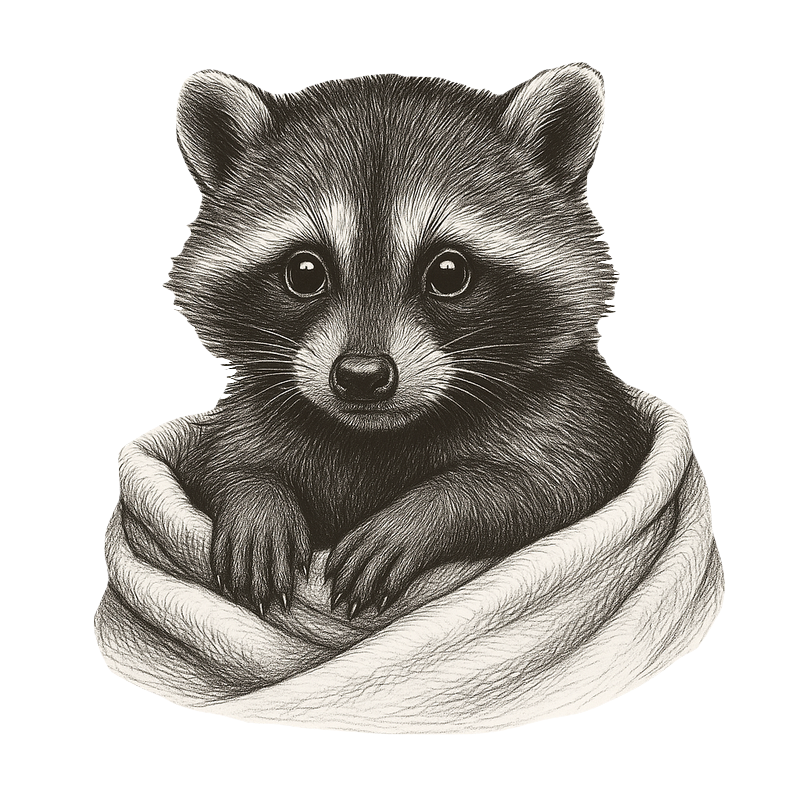
Signs You Have Raccoon Babies or Orphaned Wildlife
Adults are loud and obvious. Babies are usually the quiet, hidden follow-up problem.
- High-pitched chattering or “chirping” in the attic or wall, especially at night.
- Soft crying or whining coming from a single corner or void.
- Adult raccoon, skunk or opossum removed recently and now noise continues.
- Baby raccoon or opossum on the ground alone, cold, or wandering in daylight.
- Nesting material plus small droppings and tracks in a tight attic area.
If an adult was removed from a structure during baby season, there’s a real chance babies are still inside somewhere. That’s when things get serious fast.
Typical Baby Season
Raccoons, skunks, opossums and other mammals have peak baby seasons in spring and early summer, but timing can vary. The important part: never assume “it’s just noise” if you hear small sounds after an adult has been trapped or scared off.
Common Baby Wildlife Situations We See
Most “orphaned” calls fall into a few repeat patterns. Knowing which one you’re in helps decide the next move.
- Raccoon mom in attic or crawlspace with a litter tucked into a corner or insulation pocket.
- Skunk family living under a deck, shed or mobile home.
- Opossum with babies riding on her back or hidden in a den space.
- Single baby on the ground after mom was scared off, moved, trapped or hit by a car.
- Baby “rescued” by a neighbor and brought into a garage or box with no plan.
Each situation has a different best move. Sometimes the right answer is reunite with the mother; other times it’s transfer to a licensed rehabber or humane removal from the structure.
What NOT To Do with Baby Wildlife
This is where a lot of people get into trouble. Some things feel “nice” but actually make the situation worse for both the animal and you.
- Do NOT try to raise baby raccoons or wildlife yourself.
- Do NOT handle babies bare-handed or let kids play with them.
- Do NOT seal up an attic, crawlspace or den if you suspect babies are still inside.
- Do NOT move babies far away and “hope the mom finds them.”
- Do NOT dose them with milk, food or meds you find online.
Baby wildlife work sits in a tight space: legal rules, public safety, disease risk, and humane care all at once. That’s not a good place for guesswork.
Why “Just Take Them to a Shelter” Isn’t Always Right
Regular shelters aren’t always licensed or set up for wild babies. Many times, the better path is coordinated removal + licensed rehab or a managed reunite with mom, depending on the case.
Laws, Permits & Why It Matters
Wildlife isn’t the same as a stray cat or dog. There are rules around how you can trap, transport and handle wild animals, especially babies.
- Some wildlife species require specific permits or licensing to handle.
- Certain methods of removal or relocation may be restricted or illegal.
- Improper handling can create liability for bites, exposure or animal welfare issues.
- Rehab and release often must go through licensed wildlife rehabilitators or under state guidelines.
Bottom line: what you do with a baby raccoon or opossum is not just a “personal choice.” It sits inside an actual legal framework.
Our Humane Baby Wildlife Removal Process
We treat raccoon babies and orphaned wildlife calls differently than standard trapping jobs. The goal is **humane, legal and realistic**.
- 1. Phone triage: We listen to what you’re seeing and hearing and ask key questions about timing and location.
- 2. On-site inspection: We locate the den, check for adults, and identify how many babies may be involved.
- 3. Plan options: Depending on species and situation, options may include managed reunite, removal and transfer, or structural exclusion once animals are out.
- 4. Humane handling: Babies are handled and contained using appropriate equipment and techniques.
- 5. Structural follow-up: Once wildlife issues are resolved, we can talk about sealing, repairs and cleanup of nesting areas.
What You Get with Professional Orphaned Wildlife Help
- Someone who understands both wildlife behavior and property damage.
- A plan that respects legal and humane standards.
- Guidance on what happens to the animals after removal.
The goal: no suffering babies hidden in walls, no illegal DIY handling, and a clear path to get your structure secure again.
Talk to Someone About Baby Wildlife: (310) 547-7681What Homeowners Can Do While We’re On the Way
There are a few things you can safely do that actually help instead of making things worse.
- Keep pets and kids away from the area where babies or adults are active.
- Do not trap or corner the animals.
- Limit noise and disturbance right next to the den so animals don’t scatter deeper into the structure.
- Take photos or short video (from a distance) if safe, so we can see behavior and size.
- Do not start demolition to “find the babies” unless directed—this can make recovery harder.
Calm, clear information beats panic. The more we know when we arrive, the better we can plan for both the animals and the house.
After the Wildlife is Gone
Once babies and adults are no longer using your attic, crawlspace or deck, we can:
- Seal access points and den locations.
- Recommend cleanup or decontamination where needed.
- Help you understand how to avoid repeat “nursery” situations in the future.
Raccoon Babies & Orphaned Wildlife FAQ
Can I keep a baby raccoon or opossum as a pet?
No. Beyond the legal issues, wild animals do not make safe, stable pets. They grow up, their behavior changes, and there are health and bite risks. They belong in the wild or with licensed rehabbers, not as house pets.
I found a baby raccoon alone. Is it really orphaned?
Not always. Sometimes mom is temporarily away feeding or relocating siblings. The details matter: how long it’s been alone, time of day, behavior, whether there was recent trapping or disturbance. That’s why a phone consult and sometimes an inspection are important before anyone moves the animal.
What happens to the babies after removal?
That depends on species, condition and local rules. In many cases they are transferred to licensed wildlife rehabbers or managed according to state guidelines. We can explain realistic outcomes for your specific case when we see what’s going on.
Can I just seal the hole once the mom raccoon leaves for the night?
If babies are still inside, that can trap them without food or care and cause serious odor and welfare problems. Baby-season raccoon jobs usually need a plan that accounts for the whole family, not just the adult.
Do you do full attic sealing and cleanup after baby wildlife is gone?
We can inspect the space, show you damage and contamination, and either perform or coordinate exclusion and cleanup work depending on the situation. Baby wildlife jobs often go hand-in-hand with later attic repair and decontamination.
Dealing with Raccoon Babies or Orphaned Wildlife?
If you’re hearing baby sounds in the attic, found a little one alone, or removed an adult and now something doesn’t feel right, don’t guess your way through it.
Call Now: (310) 547-7681
Humane, legal help for raccoon babies and orphaned wildlife situations in Southern California.