Dead Animal Odor Removal & Deodorizing
A dead animal in a wall, attic or crawl space is a special kind of nightmare: the smell is intense, it drifts through the house, and it doesn’t care how many candles you light.
This page explains how dead animal odor removal actually works — tracking the source when possible, removing what we can reach, cleaning and deodorizing the affected areas, and dealing with the airflow that’s carrying the smell through your home.
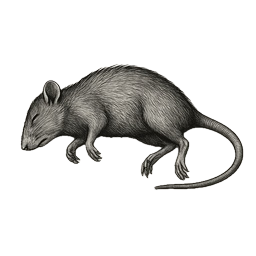
Signs You’re Dealing with a Dead Animal Odor
Not every bad smell is a dead animal, but once you’ve been around enough of them, the pattern is hard to miss.
- Strong, sour “sweet rot” smell that comes in waves or spikes with heat.
- Odor is strongest near walls, ceilings, vents or one side of the house.
- Recent trapping, poisoning or rodent activity in or around the home.
- One room or area where the smell seems to “hit” much harder than others.
If you’ve had rodents or wildlife in the structure and a sudden heavy smell shows up, odds are good something didn’t make it out.
How Long Can the Smell Last?
It depends on animal size, location, temperature and airflow:
- Small animals in ventilated spaces may fade in days or weeks.
- Larger animals in enclosed voids can stink up a house a lot longer.
- Without removal or treatment, you’re basically waiting on decomposition to finish.
Proper odor removal is about reducing that window, not just surviving it.
Why Dead Animal Odor Work Is More Than “Air Freshener”
Odor is just the signal. The real problem is decomposing tissue, fluids and bacteria sitting somewhere in or under the structure.
- Odor molecules ride on air currents, ducts and small gaps through the house.
- Fluids and oils can stain or contaminate insulation, drywall or framing.
- Insects (flies, beetles) may show up to take advantage of the situation.
To actually fix it, you don’t just cover the smell — you target the source and the surfaces it has affected.
DIY Odor Fixes vs Reality
Most DIY attempts look like this: open some windows, burn a candle, spray something strong, complain. That might dull it for a minute, but it doesn’t change what’s rotting in the structure.
Common DIY Odor Mistakes
- Spraying fragrance directly onto contaminated areas without cleaning first.
- Trying to open walls or ceilings without knowing what’s behind them.
- Running the HVAC hard, which can spread odor through ductwork and returns.
- Ignoring the underlying rodent or wildlife problem that caused the carcass.
You don’t want to live with a slow fade of rot smell for weeks. The goal is to find it, address it and move on.
Our Dead Animal Odor Removal Process
Every home is different, but the basic blueprint is the same: hunt the source, treat the area, then handle the odor and airflow.
- 1. Interview & inspection: We ask where it smells worst, when it started, and inspect attics, crawl spaces and accessible areas around that zone.
- 2. Locate the source (when possible): We use experience, odor patterns and structure layout to find the most likely hiding spots.
- 3. Carcass removal: If we can safely reach the animal, we remove it along with heavily contaminated surrounding material where appropriate.
- 4. Cleaning & disinfection: We clean and disinfect surfaces impacted by fluids, staining or contact with the carcass.
- 5. Deodorizing & treatment: We apply odor neutralizers designed for organic decomposition, not just perfume sprays.
- 6. Air handling (when needed): In tougher cases, we can recommend or use filtration and airflow strategies to help clear odor from the breathing zone.
What You Get with Professional Odor Removal
- A serious attempt to track and remove the source when accessible.
- Treatment of surfaces and materials that actually absorbed the odor.
- Clear expectations about what can realistically improve and how fast.
No magic wands. Just real work aimed at actually reducing the stink, not hiding it.
Schedule Dead Animal Odor Service: (310) 547-7681What We Can & Can’t Access
Some carcasses are reachable with minimal disturbance. Others are buried so deep in the structure that finding them would mean major demolition. We’re straight about the difference.
- Usually accessible: open attics, crawl spaces, basements, certain utility chases.
- Sometimes accessible: shallow wall or ceiling voids if you approve cutting small access holes.
- Often not practical: animals deep inside complex wall assemblies or behind finishes where access would require serious tear-out.
Even when we can’t reach the exact carcass, we can often treat the area and odor path to make the situation more livable while it naturally finishes breaking down.
Talking Honestly About Limits
We’ll spell out:
- Where we think the animal is.
- What it would take to physically reach it.
- What kind of improvement you can expect with or without full removal.
No sugarcoating. Just a clear “here’s what we can do, here’s what it might change.”
Odor, Airflow & Your Home
The same chases and gaps that move air through your home also move odor. That’s why you can smell a dead animal strongest in a room that isn’t even closest to it physically.
- Odor rides on pressure differences as the house heats and cools.
- HVAC returns and supply vents can spread smell to multiple rooms.
- Crawl spaces and attics send odor up through small cracks and openings.
Part of fixing the problem is understanding how air is moving so we’re not just chasing smell around blindly.
Good Time to Address the Bigger Picture
Odor jobs are often the sign that it’s time to also look at:
- Rodent removal and trapping programs.
- Rodent proofing & exclusion to stop repeats.
- Attic cleanup and insulation work after heavy contamination.
One dead animal is annoying. Multiple “mystery smells” over a few years is a system problem.
Dead Animal Odor Removal FAQ
Can you guarantee you’ll find the dead animal?
No. Some animals die in spots that are not realistically accessible without tearing half the structure apart. What we can guarantee is a serious, professional effort to locate it, and clear communication about what’s possible in your home.
How long until the smell goes away?
If we remove the source and treat the area, most homes notice a big improvement quickly, then a gradual fade as residual odor dissipates. If the source can’t be reached, we’ll be honest about what level of improvement is realistic and what may still take time.
Is this safe for kids and pets?
We choose products and methods meant for use in and around homes, and we’ll explain what we’re using and what to expect. We can also time work around your schedule if you’d rather be out while we’re treating.
Can’t I just wait it out?
Eventually, yes, the decomposition process slows down. But depending on the animal and location, that can mean weeks of nasty odor, and any contamination or staining is still left behind. Our job is to shorten that suffering and clean what the animal touched.
Do you also fix how the animal got in?
Yes. Dead animal odor work should tie into rodent and wildlife control plus structural exclusion, or you’re just treating symptoms and not preventing the next carcass.
Ready to Stop Living with “That Smell”?
If your home smells like something crawled into a wall or attic and lost the fight, you don’t have to just ride it out and hope for the best.
Call Now: (310) 547-7681
Dead animal odor removal and deodorizing for Southern California homes.