Gopher Removal & Yard Gopher Control
Fresh mounds all over the lawn, plants dropping overnight, and tunnels collapsing under your feet? That’s classic pocket gopher activity. They live underground, push soil to the surface, and chew through roots like it’s a salad bar.
This page breaks down how gopher problems really work, why DIY tricks usually fail, and how professional gopher trapping and yard protection can get your lawn and planters back under control.
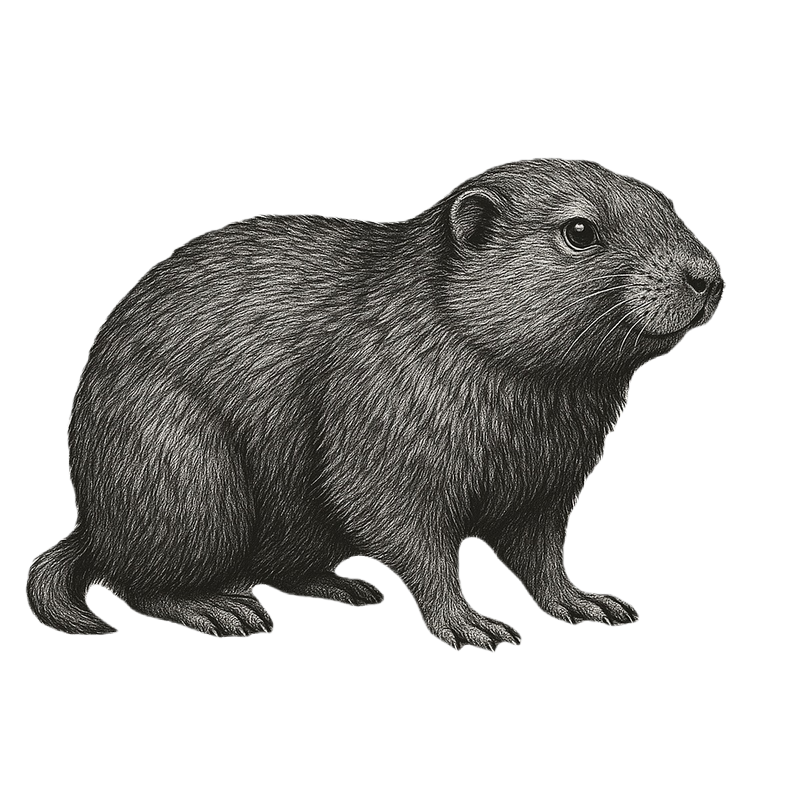
Signs You Have Gophers
Gophers almost never show you their faces. The soil and the plants tell the story.
- Fan-shaped soil mounds with a plugged hole on one side.
- Fresh mounds appearing daily or weekly along fence lines, yards or planters.
- Plants wilting or collapsing because roots were eaten underground.
- Raised tunnels or soft spots where the ground gives when you step.
- Chewed stems near mound openings where gophers pulled plants down.
One active gopher can create a surprising amount of damage in a short time, especially in irrigated lawns and landscaped beds.
How Many Gophers Do I Have?
It depends on the size of the property and how long the problem’s been ignored. Sometimes there’s only one very busy animal; other times there’s a whole network along the edges of lots, greenbelts or slopes.
The pattern and spread of mounds help us estimate how many are likely active now.
Damage Gophers Cause in Lawns & Landscapes
Gophers don’t just make things look bad. They can ruin landscaping and create hazards.
- Destroyed lawns with dozens of mounds and bare patches.
- Killed shrubs, flowers and vegetables from underground root feeding.
- Undermined soil around walkways, patios and retaining walls.
- Trip hazards from soft spots and collapsed tunnels.
- Ongoing replanting costs when new plants keep disappearing.
Leaving gophers alone is basically an invitation for them to redesign your yard at your expense.
Gophers vs Moles vs Ground Squirrels
Correct ID matters. The wrong animal = wrong control method.
- Gophers: fan-shaped mounds, single plugged hole, plant damage and soil pushed up.
- Moles: more common in cooler, wetter climates; long surface runs and small volcano mounds.
- Ground squirrels: open burrow holes, animals seen above ground, often in groups.
In most Southern California yards with fan-shaped mounds and chewed plants, you’re dealing with pocket gophers.
Why ID Matters
Traps and strategies that work for gophers won’t work the same way for ground squirrels or rats, and vice versa. One of the first steps on-site is confirming exactly what’s doing the damage.
DIY Gopher Control vs Reality
The internet is full of gopher “solutions”: smoke bombs, water flooding, coffee grounds, gum, propane, radios in the ground—you name it. Most of them make more mess than progress.
Common DIY Problems
- Putting bait or pellets on top of the ground where gophers rarely feed.
- Flooding tunnels and just moving gophers deeper or onto the neighbor.
- Setting a couple of traps once, then giving up when nothing shows.
- Using tools that are not legal or safe under California regulations.
- Trying a new “hack” every weekend while the yard gets worse.
Gophers are very pattern-based. Once you understand how they build and travel in their tunnel systems, targeted trapping becomes much more effective than random gadgets.
Our Gopher Removal Process
We focus on legal, targeted gopher control that fits your property and local regulations.
- 1. Property walk-through: We map out mound patterns, soil type and high-value areas (lawns, beds, slopes).
- 2. Gopher activity check: We identify which mounds and runs are currently active.
- 3. Targeted trapping program: We place traps in key tunnels and check/reset them over a set period.
- 4. Activity monitoring: We watch for new mounds and adjust as the population drops.
- 5. Prevention recommendations: We talk about soil edges, plant selection and maintenance that help reduce future issues.
What You Get with Professional Gopher Control
- A clear plan instead of random experiments.
- Experienced reading of mound patterns and tunnel systems.
- Realistic expectations about how fast damage slows down.
The goal isn’t just “catch one.” It’s getting control back over the yard so new activity is caught early instead of after a full lawn makeover.
Set Up Gopher Service: (310) 547-7681Yard Prevention & Maintenance Tips
No yard is 100% gopher-proof, but a few habits make your property less of a target and help you catch new activity fast.
- Walk the yard regularly and knock down old mounds so new ones stand out.
- Protect high-value beds with underground barriers when planting.
- Keep edges trimmed along fences, slopes and greenbelts where gophers enter.
- Coordinate with neighbors or HOAs for wide-open areas so you’re not the only one trying.
Early detection + a plan beats “ignore it until half the yard is gone.”
Ongoing Monitoring
For some properties—large yards, slopes, shared greenbelts—gophers are an ongoing pressure, not a one-time event. In those cases, scheduled monitoring and control visits throughout the year make more sense than crisis calls after major damage.
Gopher Removal FAQ
Will gophers come back after you remove them?
New gophers can move in over time from surrounding areas, especially near fields, washes or open space. The goal is to remove current animals and set you up for earlier detection so new ones are dealt with quickly instead of after months of damage.
Can I just use gopher poison from the store?
Many over-the-counter products are misused, placed where non-target animals could be exposed, or simply not effective the way they’re applied. Regulations also limit how certain products can be used. Targeted trapping and legal control methods are usually safer and more reliable.
Do gopher “smoke bombs” and floods work?
Smoke bombs, floods and similar tricks sometimes move a gopher, but they rarely solve the problem and can damage plants or irrigation. They also don’t prevent new animals from moving into the same tunnels later.
How long does gopher removal take?
Smaller residential jobs may be handled over a short program of visits; larger or high-pressure properties may require more extended control and monitoring. The important part is watching mound activity and adjusting until things quiet down.
Can you help HOAs or shared green spaces?
Yes. We can inspect common areas, explain where gophers are entering and feeding, and build a control and monitoring plan that covers more than one backyard at a time.
Ready to Take Your Yard Back from Gophers?
If you’re waking up to new mounds every morning or watching plants disappear, you don’t have to keep playing whack-a-mole with shovels and gadgets.
Call Now: (310) 547-7681
Professional gopher removal and yard protection for Southern California homes and communities.