Raccoon Removal for Attics, Roofs & Crawlspaces
Hearing heavy thumping, slow footsteps, or scratching at night? That “someone walking in the attic” feeling is often a raccoon. They rip through roof lines, tear open vents, and turn quiet attics into noisy, contaminated messes. This page explains how raccoon problems start, what damage they cause, why DIY usually backfires, and how proper raccoon removal is done.
We focus on humane, legal raccoon removal and permanent exclusion: get them out, seal the structure, repair the damage, and stop the next wave from moving in.
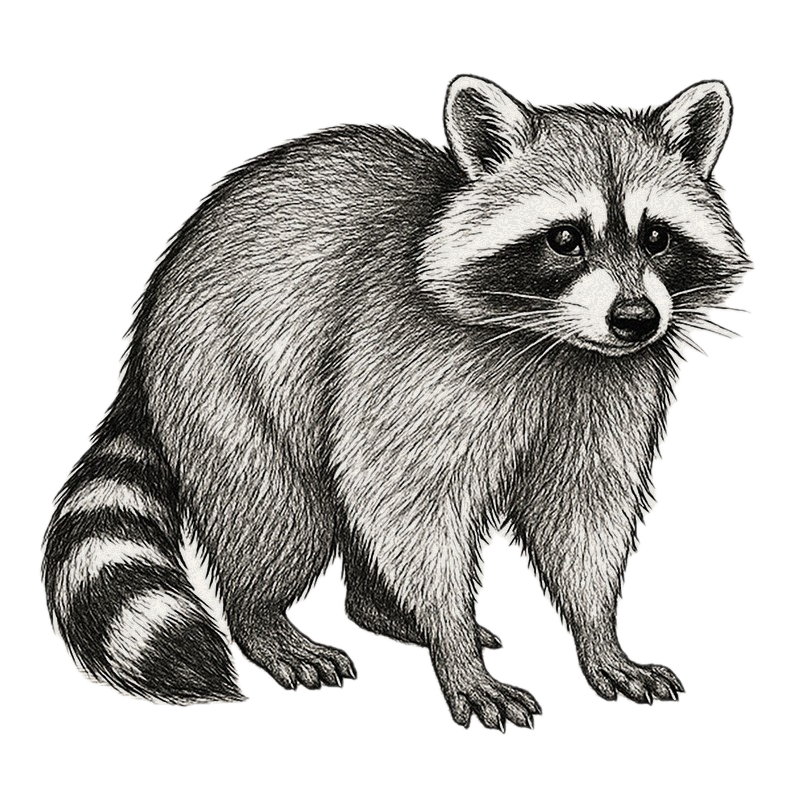
Signs You Have a Raccoon Problem
Raccoons don’t move like rats or mice. They’re heavier, louder, and slower. If you’re paying attention, they’re pretty easy to tell apart from smaller animals.
- Heavy thumping or “footsteps” across the ceiling or in the attic.
- Scratching and dragging sounds at night or early morning.
- Loud crashes or bumping as they move or knock things over.
- Growling, chattering, or whining—especially if babies are present.
- Visible roof damage: torn shingles, bent vents, or open eaves.
- Large droppings in attic insulation or on flat roof areas.
If it sounds like a small person walking instead of tiny scratching, raccoons are high on the list.
Not Sure Which Animal It Is?
You don’t need to guess. We identify raccoons by:
- Footstep sound, weight, and movement pattern.
- Dropping size and shape.
- Entry hole size and damage type.
- Tracks, smudge marks, and nesting signs.
Call (310) 547-7681 and describe what you’re hearing. We’ll help narrow it down fast.
Raccoon Damage & Health Risks
Raccoons aren’t just loud houseguests—they’re destructive. Once they consider your attic or crawlspace “home,” they’ll treat it like the outdoors.
- Ripped roofing materials: shingles, paper, and wood pried open for access.
- Destroyed attic insulation: trampled, nested in, soaked with urine.
- Broken ducts: HVAC ducts crushed or ripped while they climb over them.
- Chewed wiring: increased risk of shorts or potential fire hazards.
- Droppings & urine: odor, stains, and potential disease concerns.
The longer raccoons stay, the more they treat your structure as theirs—bathroom, nest site, highway, and playground all in one.
How Raccoons Get Into Attics
Raccoons are strong climbers and problem-solvers. If there’s a weak point in the roof or structure, they’ll usually find it.
- Roof edges & eaves: pulling and prying at loose fascia, soffits, or trim.
- Attic vents: bending or tearing metal or plastic vent covers.
- Roof-to-wall gaps: exploiting construction gaps where roof meets walls.
- Chimneys: uncapped chimneys used as dens.
- Trees & fences: using branches or fences as a ladder to the roof.
Finding and sealing these access points is what prevents new raccoons from showing up after the first ones are gone.
Why “Just Trapping” Isn’t Enough
If you trap a raccoon but never seal the structure, you’ve just created a vacant unit for the next animal. Strong smells, droppings, and pheromones act like a billboard: “Vacancy — wild animals welcome.”
Real raccoon removal = removal + exclusion + repair. Anything less is temporary.
DIY Raccoon Removal vs Reality
It’s tempting to set a trap, throw in some bait, and hope for the best. With raccoons, that can go sideways fast. They’re strong, intelligent, and not shy about defending themselves—especially mothers with young.
Common DIY Problems
- Trapping a nursing mother and leaving babies to die in the attic.
- Sealing a hole while raccoons are still inside, forcing them into walls or ducts.
- Using bait or techniques that attract more nuisance animals.
- Improper trap placement leading to injuries or non-target captures.
- Not understanding local and state rules on relocating or handling raccoons.
DIY might seem cheaper up front, but once damage, odor, or dead animals become part of the story, it usually gets more expensive than doing it right the first time.
Our Raccoon Removal Process
We treat raccoon jobs as both a wildlife issue and a construction problem. The goal is to fix the animal issue and the structural weaknesses that allowed it.
- 1. Inspection: Attic, roof, crawlspace, and exterior all checked for damage and entry points.
- 2. Species & activity confirmation: We confirm raccoons, check for babies, and map how they move.
- 3. Removal setup: One-way doors and/or trapping depending on situation, laws, and structure.
- 4. Exclusion: Seal active and potential entry points with proper materials, not hardware cloth and hope.
- 5. Cleanup & restoration: Droppings, nesting, and contaminated insulation addressed as needed.
What You Get with Professional Raccoon Removal
- A clear plan from inspection to final seal-up.
- Humane, legal handling of raccoons—including baby season.
- Structural repairs that reduce future wildlife problems.
- Real answers about the condition of your attic or crawlspace.
You’re not just paying to “catch a raccoon.” You’re paying to get your home back.
Talk Through Your Raccoon Problem: (310) 547-7681Raccoon Removal Costs
Raccoon jobs vary depending on access, damage, baby season, and how much repair or cleanup is needed. Simple exterior access with minimal damage costs less than heavily damaged attics or repeat problems.
- Inspection & evaluation: Based on your area and scope of the problem.
- Raccoon removal: Depends on difficulty, access points, and number of visits required.
- Exclusion & repairs: Sealing and construction work priced by the amount of damage.
- Cleanup & sanitation: Based on contamination level and insulation condition.
Honest Expectations
Raccoon jobs are rarely “cheap,” but they’re a lot cheaper than ignoring the problem until the attic is destroyed. During the inspection, we lay out:
- What needs to be done now vs later.
- What’s optional vs what’s critical.
- How to prevent the same issue from happening again.
You get a real plan, not guesswork.
Raccoon Removal FAQ
Are raccoons dangerous?
They can be. Raccoons are strong, can carry diseases and parasites, and will defend themselves, especially if cornered or protecting young. They should never be handled directly by homeowners.
Can I just wait and hope they leave?
You can, but they usually won’t—especially if your attic is dry, warm, and safe. Even if one raccoon leaves, the scent and damage often attract more wildlife to the same entry points.
Will they leave on their own in summer?
Sometimes mothers move young once they’re big enough, but there’s no guarantee they won’t come back or that another raccoon won’t claim the same spot. “Waiting it out” often just extends the damage timeline.
Do you remove baby raccoons?
Yes. Part of a proper inspection is checking for young. Baby raccoons can’t simply be “scared out”—they have to be handled correctly and kept with the mother when possible under humane and legal methods.
Ready to Get Raccoons Out of Your Attic?
If you’re hearing heavy footsteps, banging, or scratching above you, don’t wait for the damage and contamination to get worse.
Call Now: (310) 547-7681
Humane, legal raccoon removal and full attic protection.