Wild Turkey Removal & Property Deterrence
Turkeys crossing the road at their own speed, blocking driveways, camping on lawns, leaving droppings on walkways and cars, or strutting through golf-course communities like they own the HOA? Wild turkeys are now showing up more often in Southern California hillsides, canyons and greenbelt neighborhoods.
This page explains how wild turkeys move into a street or property, what’s realistic (and legal) to do about them, and how professional turkey deterrence and property protection can reduce noise, mess and damage without making things worse with neighbors or the city.
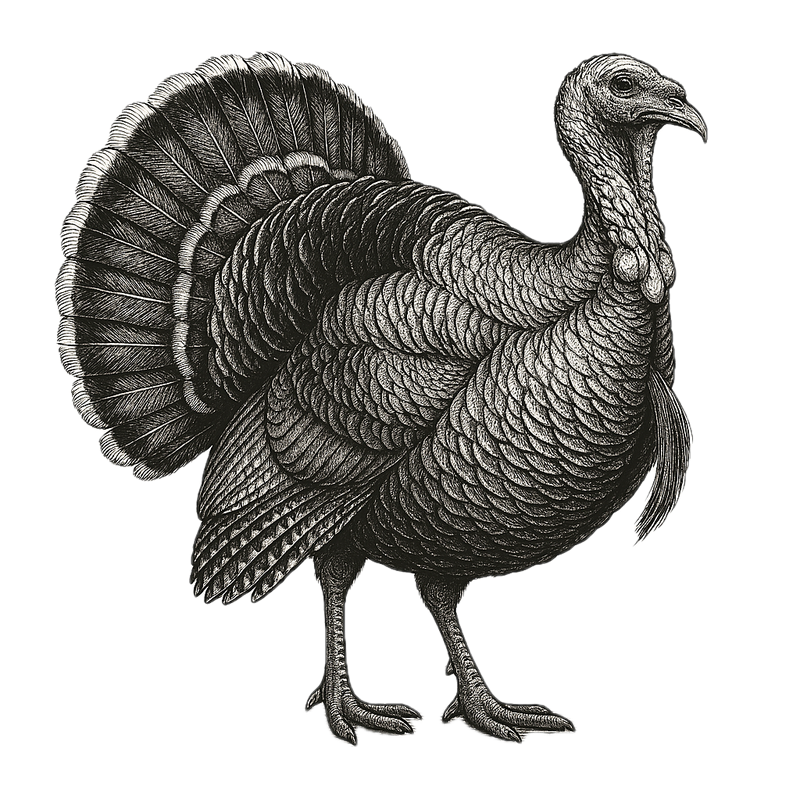
Signs Wild Turkeys Are Becoming a Problem
One turkey wandering through once in a while is a novelty. A group that treats your street like their personal park is a different story.
- Groups of turkeys regularly walking the same street, fairway or greenbelt.
- Birds blocking driveways or walkways and refusing to move quickly.
- Droppings on patios, paths, driveways and golf paths that keep reappearing.
- Scratching and foraging that tears up lawns, mulch beds and landscaped slopes.
- Occasional aggressive posturing toward people, kids or pets, especially from males.
Once turkeys decide a block or course is “home base,” they tend to stay unless something changes in how the area feels for food, safety and roosting.
Why Certain Neighborhoods Get Hit
Turkeys love:
- Greenbelts and golf courses.
- Hillside streets with trees and cover.
- Quiet cul-de-sacs with low traffic.
- People putting out food or leaving easy pickings.
If you’ve got that mix, you’re on their list.
Damage & Issues Wild Turkeys Cause
Turkeys look like walking dinosaurs. They also leave behind a dinosaur-sized mess.
- Heavy droppings on driveways, steps, decks, carts and walkways.
- Landscape damage from scratching, dust-bathing and foraging.
- Noise and disturbance from gobbling, wing-flapping and group movement.
- Traffic hazards when birds crowd roads and don’t move quickly.
- Minor property damage where turkeys peck at reflective surfaces or roost on railings.
Golf courses, hillsides and HOAs end up spending real money on cleanup and repairs when turkey flocks get comfortable.
How Wild Turkeys Use Your Neighborhood
Turkeys don’t “live” on just one property. They work a daily circuit.
- Roosting in trees, on slopes or on man-made structures at night.
- Feeding on lawns, seed, insects and food residents leave out.
- Traveling along greenbelts, fairways, washes and quiet streets.
- Displaying (tail fan, strutting, gobbling) in open, visible areas.
They choose routes that feel safe and productive. Change those conditions and you make the area less attractive for long-term flock behavior.
Turkey Behavior & “Fake Aggression”
Turkeys—especially males—may posture, strut, or act bold around people or reflections. It’s usually about dominance displays, not hunting people. Still, nobody wants a big bird charging their car or front walk.
DIY Turkey Control vs Reality
Turkeys are not impressed by most DIY scare tactics. They get used to things fast, and they have all day to test your patience.
Common DIY Problems
- Relying on noise-makers that birds quickly ignore.
- Using sprinklers or hoses that just move birds a few yards away.
- Chasing turkeys off your yard while they simply move to the next house.
- Putting out food “one last time” and training turkeys to return.
- Trying unsafe or illegal methods that create bigger problems than the birds.
Real turkey management is about changing the environment and patterns, not just yelling at them and hoping they get the hint.
Our Wild Turkey Deterrence & Management Process
We treat wild turkey calls as a behavior + property + neighborhood problem, not just “get rid of that one bird.”
- 1. Site assessment: Walk the property or area, note roosts, travel paths, feeding zones and damage.
- 2. Local rules check: Factor in city, HOA or course policies that affect what can be done.
- 3. Deterrence plan: Recommend visual, structural and behavioral changes that make your property less attractive.
- 4. Property protection: Focus on high-impact areas: walkways, driveways, entrances and high-traffic public spots.
- 5. Ongoing management options: For heavy turkey zones, design a repeatable maintenance and deterrence program.
What You Get with Professional Turkey Help
- Honest expectations on what’s possible.
- A plan that respects laws and doesn’t start neighborhood wars.
- Real steps to reduce mess, noise and damage.
The goal: fewer turkeys camping on your property, less mess where people actually walk and live, and a realistic management strategy.
Schedule a Turkey Assessment: (310) 547-7681Long-Term Prevention for Homes, HOAs & Golf Communities
Turkeys think in simple terms: food, safety, space. Control those, and you control most of the problem.
- Reduce feeding: Stop intentional feeding and manage fallen seed and trash.
- Modify roost areas: Make key railings, walls and structures less attractive for regular roosting.
- Protect high-visibility areas: Focus deterrence on paths, entries, tees and main walkways.
- Coordinate with neighbors and HOAs: One yard feeding turkeys can keep a whole flock anchored in place.
When everyone runs their own random plan, turkeys adapt. When there’s one clear approach, they’re more likely to keep moving instead of setting up permanent camp.
Support for HOAs & Courses
For communities and courses dealing with regular turkey traffic, we can:
- Survey high-impact areas and damage zones.
- Provide written recommendations boards can share with residents.
- Help shape rules around feeding and attraction that actually work.
Less drama on the email chain, more control on the ground.
Turkey Removal & Deterrence FAQ
Can you trap and remove all the turkeys?
In many areas, turkeys are regulated and managed at the city or state level. The realistic focus on private property and HOAs is usually deterrence and habitat management, not total removal of every bird in the area.
Are wild turkeys dangerous?
Turkeys are big birds and can act bold or defensive, especially males in breeding season. While serious injuries are rare, they can cause fear, minor physical contact and traffic issues. Their mess and property impact are usually the larger problems.
Why do turkeys hang out on my driveway and walkway?
They like open, flat areas where they can see around them, warm surfaces, and sometimes food scraps or seed. Without any negative feedback, those spots become their default hangouts.
Do fake predators or noise devices work on turkeys?
Maybe for a bit. Turkeys often get used to static deterrents quickly. Long-term results usually come from combining physical changes, behavioral strategies and neighborhood cooperation, not a single gadget.
Can you help our HOA or golf course with turkeys?
Yes. We can assess routes, hot spots and damage areas, then provide a plan and practical recommendations that boards and managers can use for turkey management going forward.
Wild Turkeys Turning Your Street or Course into a Roost?
If turkeys are blocking paths, tearing up turf and leaving droppings everywhere, it’s time for more than honking your horn and hoping they move.
Call Now: (310) 547-7681
Humane wild turkey deterrence and property protection for Southern California homes, HOAs and golf communities.